
TODAY'S LITHIUM-ION
BATTERY


SAFETY
Battery Overheating
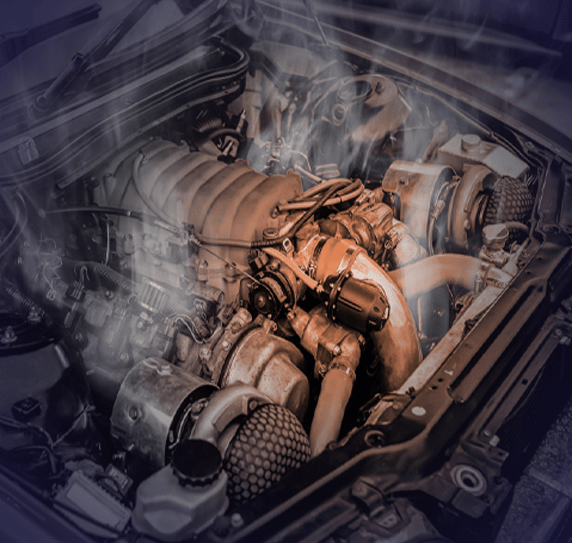
Overheating of Li-ion batteries typically takes place during normal high-rate discharges and abnormal discharges such as short circuits. This phenomenon is in fact called thermal runaway– basically, it occurs when more heat is coming into the system than it exists.
When a Lithium-Ion Battery overheats, the components inside are at risk of decomposing and undergoing a series of reactions that can generate even more heat and gaseous products. However, despite high-profile cases of heat-related LIB incidents, the overall failure rate is extremely low, with a probability of incident for mass-produced cells that is estimated at less than one in 10 million cells according to experts.
The most important safety precaution is to make sure devices that use Lithium-Ion Batteries are not in situations where they will overcharge or overheat. There are many good practices that consumers can do to protect their batteries.
LONG CHARGE TIME
Charging Equipment Types
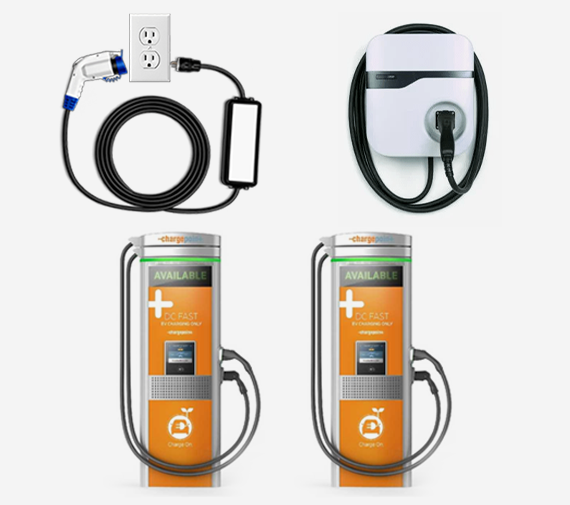
The charging procedures for single Lithion-Ion batteries vary slightly. A single Lithium-ion cell is charged in two stages: Constant Current and Constant Voltage while a Lithium-ion battery is charged in three stages: Constant Current, Balance and Constant Voltage.


DELIVERING INNOVATION
Sustainability Goals
On sait que des produits chimiques sont nécessaires pour traiter le lithium. Le rejet de ces produits chimiques par lixiviation, déversements ou émissions atmosphériques peut nuire aux communautés, aux écosystèmes et à la production alimentaire. La solution semble simple —Batteries. Cependant, les régions témoins d’une exploitation minière à grande échelle ont signalé un ciel nocturne étincelant, avec de la poussière qui se dépose sur leurs champs et pénètre dans leurs rivières. Ces particules sont du graphite, un composant des batteries Lithium-ion. En fait, les batteries Li-ion utilisées dans une variété de produits contiennent du graphite, du nickel et du cobalt, qui ont tous de longs processus d’extraction.
SHORT DRIVING RANGE
Electric Cars Driving Ranges
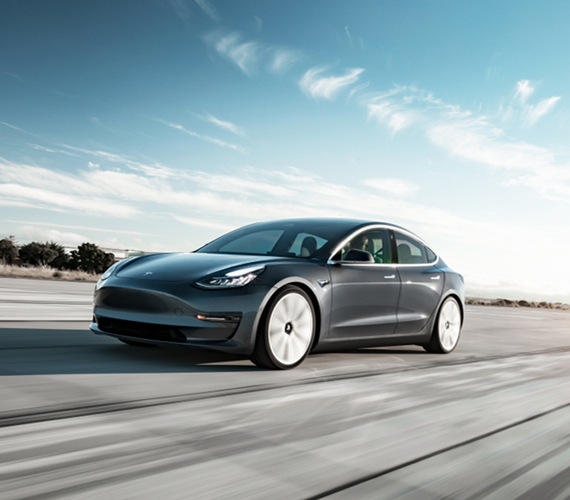
Although the range of most electric vehicle models has improved significantly in just a few short years, a limited driving range does present a big challenge for drivers.
The third generation of EVs being released in 2018 come with larger and more efficient battery packs with 200+ km driving ranges on a single charge. This is more than enough to suit the day-to-day needs of the driver. However,a trip in an electric vehicle would require some careful planning and likely some inconvenient stops. The vehicle range goes down by 41% when the temperature rises. The solution consists of adding bigger batteries with greater driving ranges. As lithium-ion battery technology improves, this will become less of an issue. In the meantime, electric vehicles aren’t convenient for all drivers.
So, not only could this development give a major boost to electric vehicle technology, it could ultimately have a definitive impact on the environment and the continued efforts against the progression of climate change.
In its work to address these challenges, KVI has developed two kinds of chips, one that combines material science with AI Trends to “manage the battery performance in smarter ways,” and the other that helps to manage a new protocol for fast charging.
Eventually the chips may be combined, “to get all the advantages.” Dr. Yazami will be looking for manufacturers to embed the chips in new batteries once they are available, which he estimated would be in 12 to 18 months. “We already have working prototypes for ultrafast battery chargers,” he said in response to a question from AI Trends
In its work to address these challenges, KVI has developed two kinds of chips, one that combines material science with AI Trends to “manage the battery performance in smarter ways,” and the other that helps to manage a new protocol for fast charging.
Eventually the chips may be combined, “to get all the advantages.” Dr. Yazami will be looking for manufacturers to embed the chips in new batteries once they are available, which he estimated would be in 12 to 18 months. “We already have working prototypes for ultrafast battery chargers,” he said in response to a question from AI Trends
SHORT SERVICE LIFE
Battery Service
The battery is the heart of any car’s electrical system. We always need to make sure that the battery is strong enough. KVI Battery offers a full line of batteries to meet your vehicle’s specific needs.
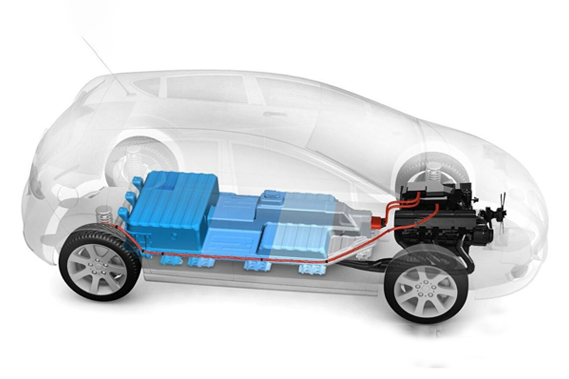
Lithium-ion batteries being introduced into battery electric vehicles, plug-in hybrid electric vehicles and future electrification technologies have a different chemistry, and thus different recycling and repurposing processes compared to traditional car batteries. They are much lighter than other types of rechargeable batteries of the same size, lose only approximately three percent of their charge per month, and can be recharged and discharged thousands of times. For these reasons, they are currently the preferred battery electrical energy storage system for vehicle applications. However, their short service life is still considered as a significant issue.
Subscribe for the latest news regarding KVI Battery and stay updated.