Singapore Battery Technology Charges LFP Cell to 70% in Just 3.7 Minutes
Proprietary voltage-controlled charging technology could pave the way for faster EV charging while offering improvements in battery safety, performance and longevity.
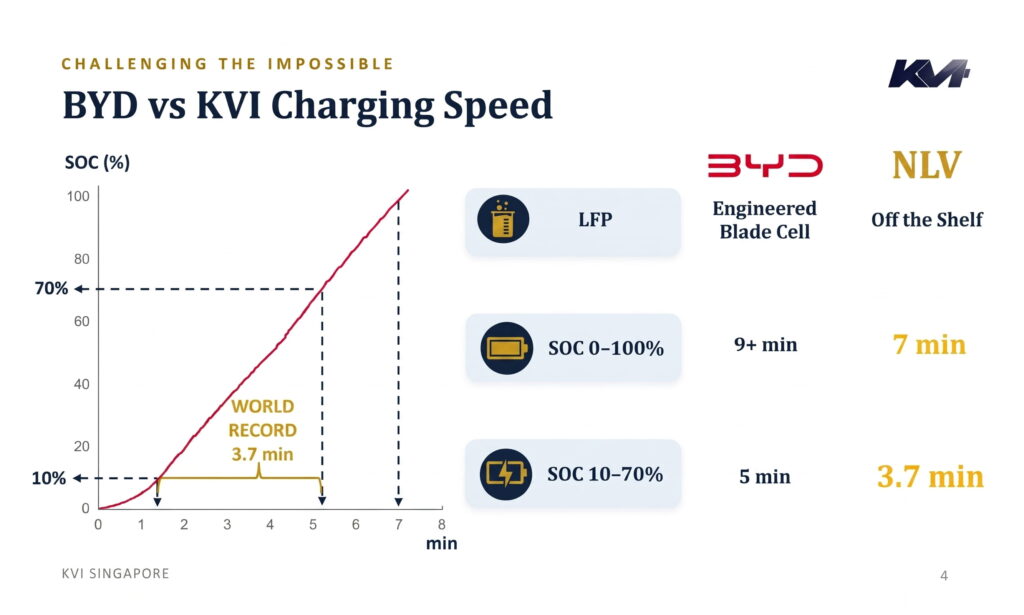
SINGAPORE, [29 October 2026] — Singapore-based KVI has demonstrated ultra-fast charging of a lithium iron phosphate (LFP) battery cell, achieving a charge from 10% to 70% in just 3.7 minutes using its Non-Linear Voltammetry (NLV) technology. The company also reports charging an LFP cell from 0% to 100% in seven minutes.
As electric vehicle (EV) manufacturers seek to make charging as fast and convenient as refuelling a petrol car, competition to develop ultra-fast charging technology is intensifying. Despite charging time remaining a barrier to entry for many consumers, global EV sales exceeded 20 million in 2025 and are expected to reach 23 million in 2026, an approximate 15 percent year-on-year increase.1
Recent advances illustrate how quickly charging technology is evolving. In March 2026, Chinese automaker BYD announced that its second-generation Blade Battery, paired with its FLASH Charging system, could charge from 10% to 70% in five minutes and from 10% to 97% in nine minutes.
KVI achieved its 3.7-minute result using an individual, commercially sourced LFP cell. According to the company’s measurements, the cell temperature remained below 50°C throughout the test.
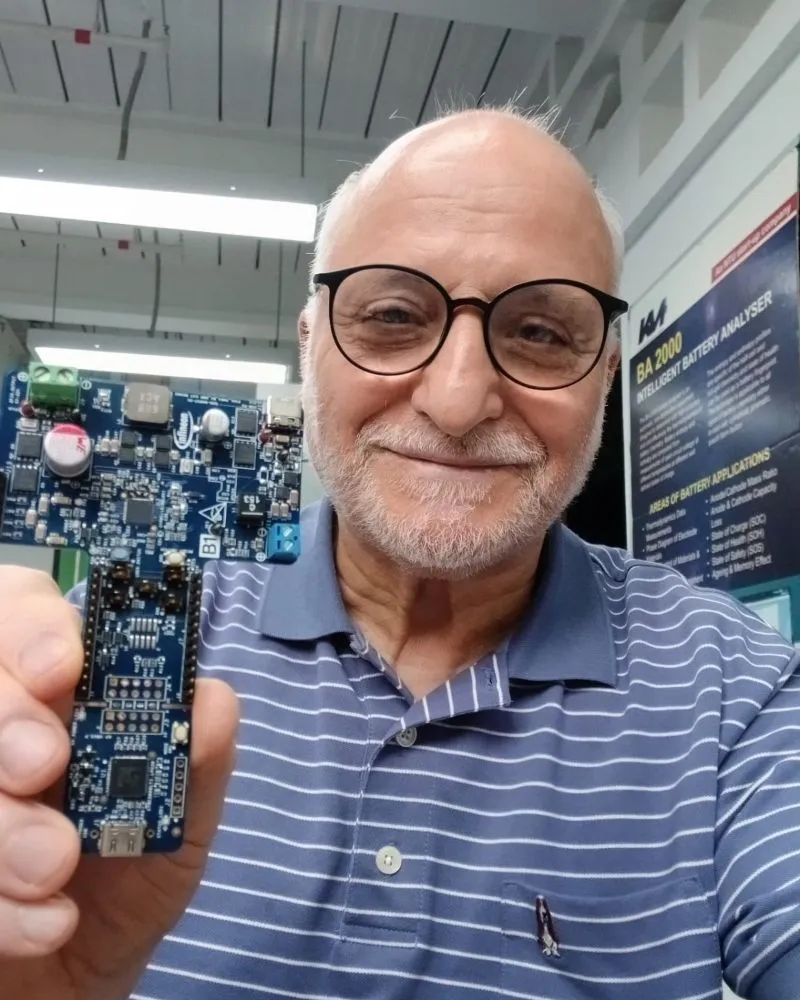
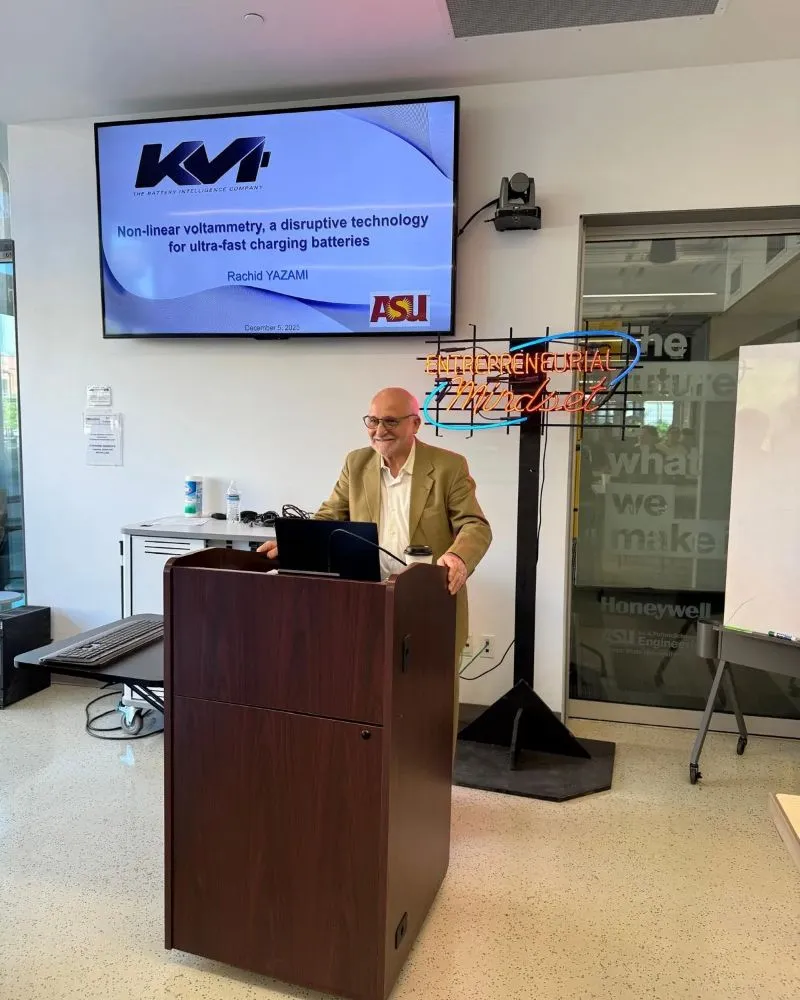
Unlike conventional charging methods, which primarily regulate the electrical current delivered to a battery, NLV technology uses a proprietary, stepwise voltage-controlled approach. Rather than imposing a predetermined charging current, the method allows the current to respond to the battery’s changing electrochemical characteristics.
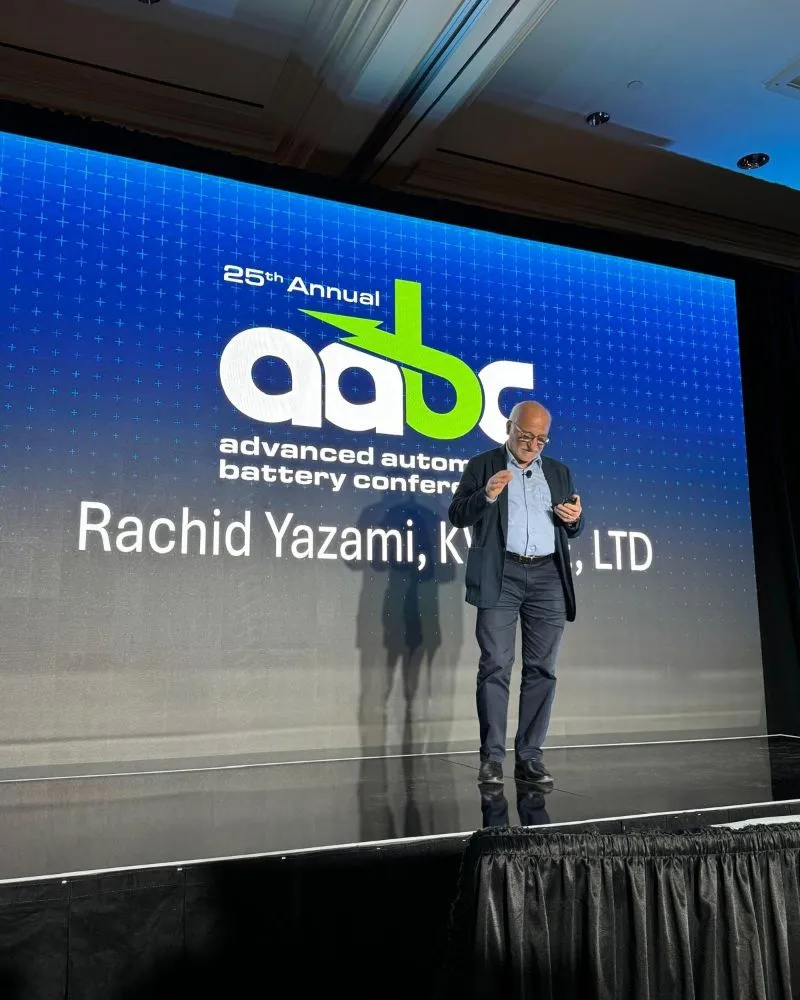
“The challenge is not simply to push more electricity into a battery in less time,” said company founder Dr Rachid Yazami. “It is to understand how the battery responds during charging and use that information to deliver energy more effectively.”
“The voltage profile produced by NLV is unique, like a fingerprint,” added Yazami, the pioneering electrochemist credited with inventing the graphite anode used in modern lithium-ion batteries. “It reflects how the battery responds throughout the charging process.”
NLV technology is designed for use with different lithium-ion battery chemistries, capacities and formats, potentially enabling applications ranging from mobile phones and power tools to EVs.
Beyond faster charging, NLV incorporates patented diagnostics to monitor battery health and detect early signs of internal short circuits, making the technology safer. KVI’s research has also demonstrated its potential to extend battery lifespan.
Electro Mobility Holding Singapore is now preparing to commercialise the technology through the development of NLV-controlled charging systems, with EVs a priority market. The company plans to expand its research and development activities in Singapore as part of a broader international initiative involving battery technology, charging infrastructure and electric mobility.
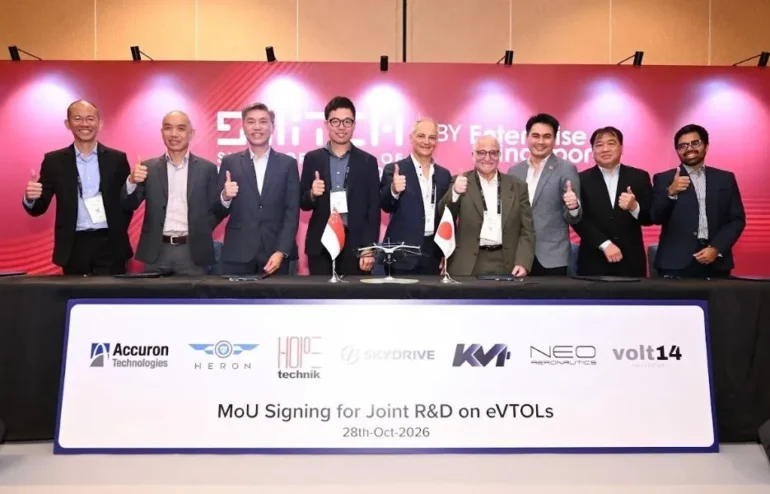
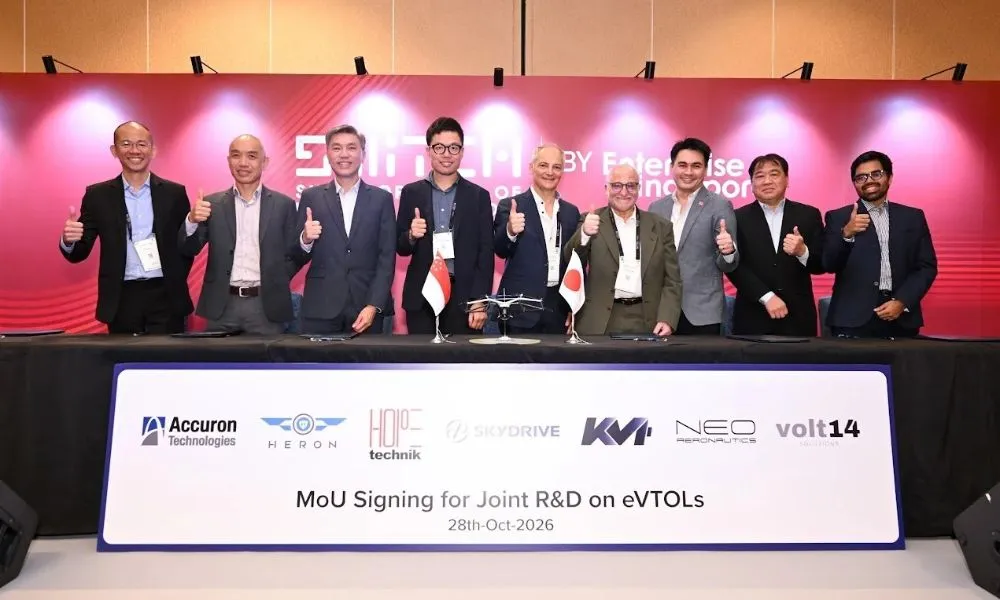
However, the potential applications extend beyond road transport. For electric vertical take-off and landing (eVTOL) aircraft, faster charging could reduce turnaround times between flights, allowing operators to increase aircraft utilisation and revenue. Japanese eVTOL developer SkyDrive signed a memorandum of understanding with Singapore-based KVI on 28 October 2026 to explore the application of KVI’s ultra-fast charging technology to electric aircraft.
“For drivers, the goal is to spend less time waiting for a battery to charge,” said Dr Yazami. “But faster charging is only part of what we are trying to achieve. We also want batteries to be managed more intelligently throughout their working lives.”